What Is a Tailor’s Bunion?

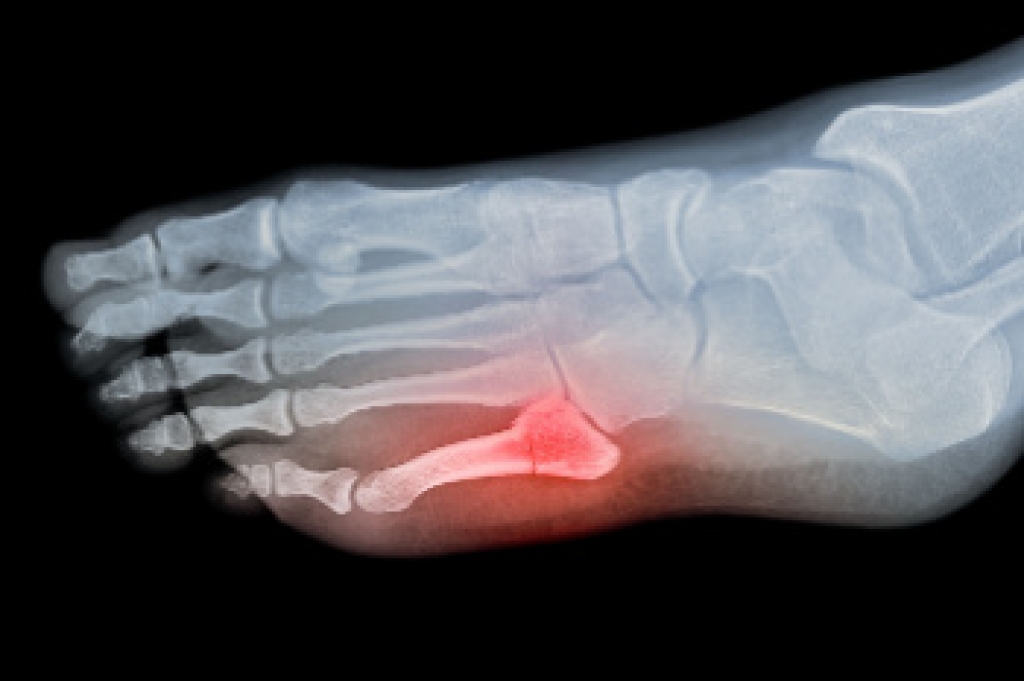
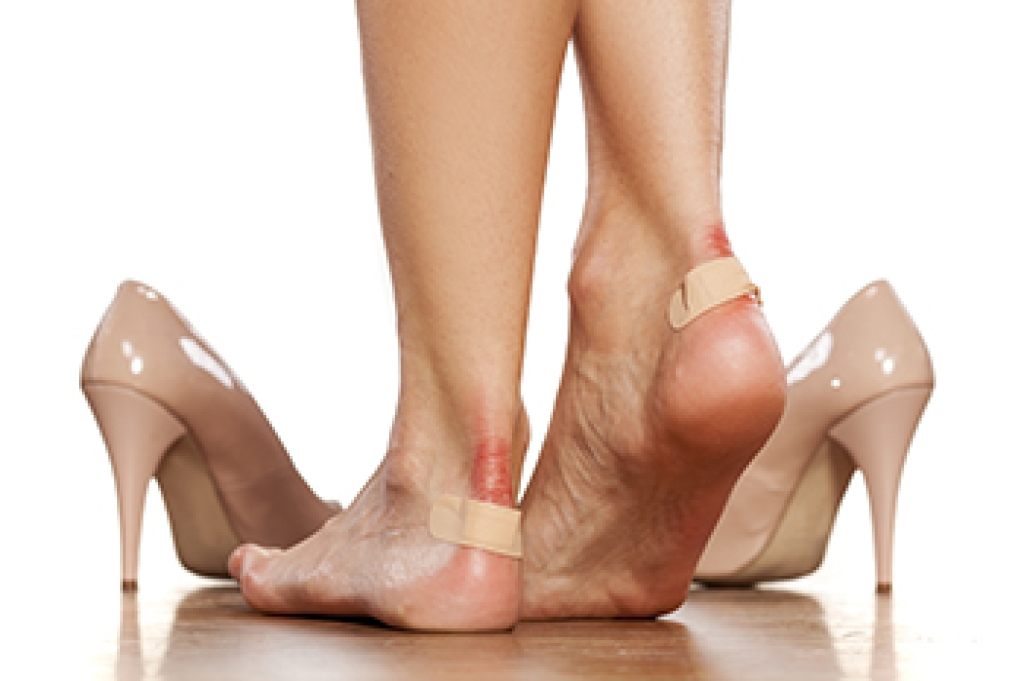
A tailor’s bunion, also called a bunionette, is a bony enlargement that develops at the base of the fifth toe along the outside of the foot. This condition can cause redness, swelling, tenderness, and pain that worsens while wearing shoes or walking for long periods of time. The area may appear enlarged or irritated from rubbing against footwear. Some patients notice burning discomfort or thickened skin over the bump. Tailor’s bunions often develop because of inherited foot structure, abnormal pressure on the foot, or shoes that are too narrow in the toe area. Over time, the fifth toe may begin to shift inward as the bump becomes more noticeable. A podiatrist can evaluate the alignment of the foot and determine the severity of the deformity. Treatment may include wearing wider footwear, padding, targeted exercises, or anti-inflammatory care to reduce irritation and pressure. In more severe cases, surgery may be considered to correct the deformity. If you have a tailor’s bunion, it is suggested that you schedule an appointment with a podiatrist for appropriate relief and treatment solutions.

If you are suffering from bunions, contact Darlyne Cange, DPM of Cange Podiatry, DPM, PA. Our doctor can provide the care you need to keep you pain-free and on your feet.

What Is a Bunion?

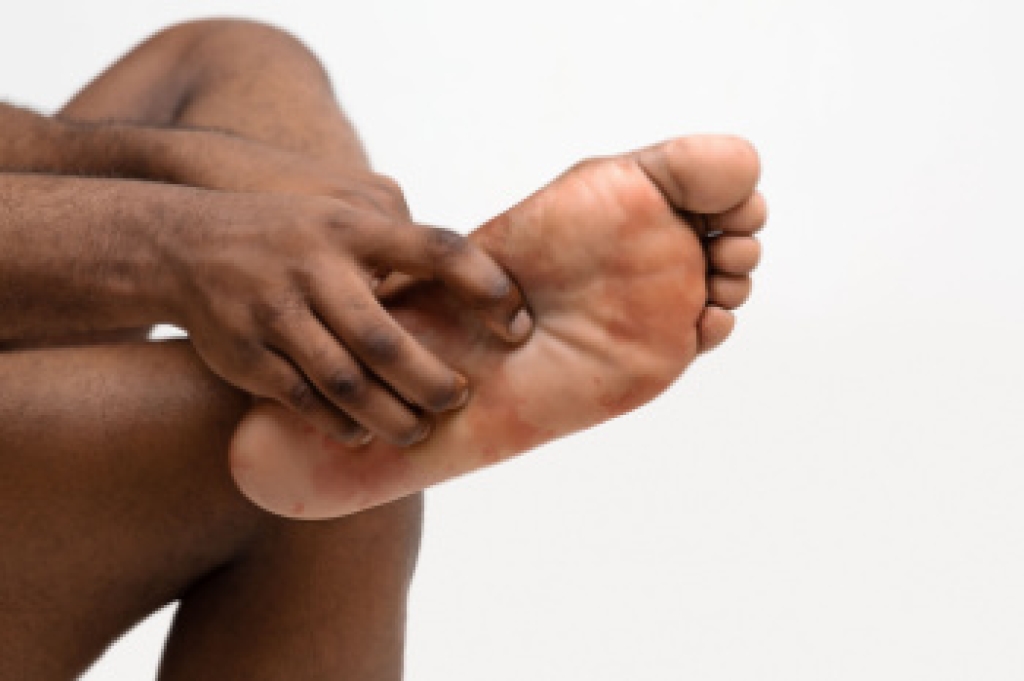
A bunion is formed of swollen tissue or an enlargement of boney growth, usually located at the base joint of the toe that connects to the foot. The swelling occurs due to the bones in the big toe shifting inward, which impacts the other toes of the foot. This causes the area around the base of the big toe to become inflamed and painful.

Why Do Bunions Form?

Genetics – Susceptibility to bunions are often hereditary

Stress on the feet – Poorly fitted and uncomfortable footwear that places stress on feet, such as heels, can worsen existing bunions

How Are Bunions Diagnosed?

Podiatrists often perform two tests – blood tests and x-rays – when trying to diagnose bunions, especially in the early stages of development. Blood tests help determine if the foot pain is being caused by something else, such as arthritis, while x-rays provide a clear picture of your bone structure to your provider.

How Are Bunions Treated?

  • Refrain from wearing heels or similar shoes that cause discomfort
  • Select wider shoes that can provide more comfort and reduce pain
  • Anti-inflammatory and pain management drugs
  • Orthotics or foot inserts
  • Surgery

If you have any questions, please feel free to contact our offices located in Glen Burnie and Ellicott City, MD . We offer the newest diagnostic and treatment technologies for all your foot care needs.

Read more about What Are Bunions?

Facts About Detached Toenails

A detached toenail can occur from direct injury, fungal infections, psoriasis, or complications related to diabetes. Once a toenail separates from the nail bed, it cannot be reattached and must be allowed to grow out naturally as a new nail forms. Risk factors include repetitive trauma, wearing tight footwear, poor circulation, and underlying skin or metabolic conditions. Symptoms include pain, discoloration, thickening, or complete nail lifting. A podiatrist can evaluate the cause, safely manage the affected nail, help prevent infection, and support healthy regrowth with proper care. They can also help address underlying conditions that contribute to nail problems. If your toenail has fallen off, it is suggested that you consult a podiatrist who can determine the cause and guide you toward management tips as the new nail grows in.

Toe pain can disrupt your daily activities. If you have any concerns, contact Darlyne Cange, DPM of Cange Podiatry, DPM, PA. Our doctor can provide the care you need to keep you pain-free and on your feet.

What Causes Toe Pain?

Most severe toe pain is caused due to a sports injury, trauma from dropping something heavy on the toe, or bumping into something rigid. Other problems can develop over time for various reasons.

Toe pain can be caused by one or more ailments. The most common include:

  • Trauma
  • Sports injury
  • Wearing shoes that are too tight
  • Arthritis
  • Gout
  • Corns and calluses
  • Hammertoe
  • Bunions
  • Blisters
  • Ingrown toenails
  • Sprains
  • Fractures (broken bones)
  • Dislocations

When to See a Podiatrist

  • Severe pain
  • Persistent pain that lasts more than a week
  • Signs of infection
  • Continued swelling
  • Pain that prevents walking

Diagnosis

In many cases the cause of toe pain is obvious, but in others, a podiatrist may want to use more advanced methods to determine the problem. These can range from simple visual inspections and sensation tests to X-rays and MRI scans. Prior medical history, family medical history, and any recent physical traumatic events will all be taken into consideration for a proper diagnosis.

Treatment

Treatments for toe pain and injuries vary and may include shoe inserts, padding, taping, medicines, injections, and in some cases, surgery. If you believe that you have broken a toe, please see a podiatrist as soon as possible.

If you have any questions please contact our offices located in Glen Burnie and Ellicott City, MD . We offer the newest diagnostic and treatment technologies for all your foot and ankle needs.

Read more about Toe Pain

Heel Pain Can Be Treated!

Do you suffer from heel pain when you get up in the morning? If so, you should seek professional help and have a proper diagnosis performed. Heel pain can be caused by several different foot-related conditions.

Athlete’s Foot Is Not Just for Athletes

Athlete’s foot is a fungal skin infection that affects the skin between the toes and along the sides of the feet. Although common among athletes, it can develop wherever fungus thrives. Typical breeding grounds are  warm, damp places, especially inside tight shoes or sweaty socks. Symptoms of athlete's foot include itching, redness, and peeling skin. Other signs include cracking, burning, and stinging skin. Some people develop blisters or skin that becomes dry and flaky. If the infection spreads to the toenails, they can become thick, yellow, and brittle. Athlete’s foot can spread through direct contact or from shared surfaces, including locker rooms, pool areas, and public showers. A podiatrist can examine the skin, confirm the infection, and prescribe strong antifungal medication. Early care can help prevent the infection from spreading to the nails. If you have symptoms of an athlete's foot infection, it is suggested that you schedule an appointment with a podiatrist for a diagnosis and effective treatment solutions.

Athlete’s Foot

Athlete’s foot is often an uncomfortable condition to experience. Thankfully, podiatrists specialize in treating athlete’s foot and offer the best treatment options. If you have any questions about athlete’s foot, consult with Darlyne Cange, DPM from Cange Podiatry, DPM, PA. Our doctor will assess your condition and provide you with quality treatment.

What Is Athlete’s Foot?

Tinea pedis, more commonly known as athlete’s foot, is a non-serious and common fungal infection of the foot. Athlete’s foot is contagious and can be contracted by touching someone who has it or infected surfaces. The most common places contaminated by it are public showers, locker rooms, and swimming pools. Once contracted, it grows on feet that are left inside moist, dark, and warm shoes and socks.

Prevention

The most effective ways to prevent athlete’s foot include:

  • Thoroughly washing and drying feet
  • Avoid going barefoot in locker rooms and public showers
  • Using shower shoes in public showers
  • Wearing socks that allow the feet to breathe
  • Changing socks and shoes frequently if you sweat a lot

Symptoms

Athlete’s foot initially occurs as a rash between the toes. However, if left undiagnosed, it can spread to the sides and bottom of the feet, toenails, and if touched by hand, the hands themselves. Symptoms include:

  • Redness
  • Burning
  • Itching
  • Scaly and peeling skin

Diagnosis and Treatment

Diagnosis is quick and easy. Skin samples will be taken and either viewed under a microscope or sent to a lab for testing. Sometimes, a podiatrist can diagnose it based on simply looking at it. Once confirmed, treatment options include oral and topical antifungal medications.

If you have any questions, please feel free to contact our offices located in Glen Burnie and Ellicott City, MD . We offer the newest diagnostic and treatment technologies for all your foot care needs.

Read more about Athlete's Foot

Reasons Ankles May Swell

Swollen feet and ankles may develop when fluid builds up in the lower extremities, a condition known as edema. This swelling may appear gradually or suddenly. It causes the skin to look stretched or shiny and feel tight or heavy. Some people notice indentations in the skin after pressing on the area. Others experience discomfort when walking or wearing shoes. Causes of swollen feet or ankles include standing or sitting for a long time, injury, and circulation issues. Underlying medical conditions that affect fluid balance may also contribute. A podiatrist can evaluate the pattern and severity of swelling. Treatment includes compression therapy, elevation, and guidance on supportive footwear to improve circulation and reduce fluid buildup. Targeted exercises may be recommended to encourage movement and blood flow. Early evaluation helps prevent complications and improve comfort. If you have swollen feet and ankles, it is suggested that you make an appointment with a podiatrist.

Swollen feet can be a sign of an underlying condition. If you have any concerns, contact Darlyne Cange, DPM of Cange Podiatry, DPM, PA. Our doctor can provide the care you need to keep you pain-free and on your feet.

Swollen feet are a common ailment among pregnant women and people who stand or sit for extended periods. Aging may increase the possibility of swollen feet and patients who are obese often notice when their feet are swelling too. There may be medical reasons why swollen feet occur:

  • Phlebitis - A condition that causes the veins to become inflamed and can also cause leg pain.
  • Liver disease - This may lead to low blood levels of albumin which is a protein. This can cause fluid in the blood to pass into the tissues and several areas of the body can become swollen.
  • Heart failure - When the heart doesn’t pump properly the blood that is normally pumped back to the heart can pool in the veins of the legs causing swollen feet.
  • Kidney disease - One of the main functions of the kidneys is releasing excess fluid in the body. This type of condition can make it difficult for the kidneys to function properly, and as a result the feet may become swollen.
  • Deep-vein thrombosis (DVT)- This is a serious condition where blood clots form in the veins of the legs. They can block the return of blood from the legs to the heart which may cause the feet to swell. It is important to be treated by a podiatrist if this condition is present.

Swollen feet can also be caused by bone and tendon conditions, including fractures, arthritis, and tendinitis. Additionally, there may be skin and toenail conditions and an infection may cause the feet to swell. Patients who take medicine to treat high blood pressure may be prone to getting swollen feet. 

Many patients elevate their feet to help relieve the swelling and this is generally a temporary remedy. When a podiatrist is consulted the reason behind the swelling can be uncovered and subsequently treated.

If you have any questions please contact our offices located in Glen Burnie and Ellicott City, MD . We offer the newest diagnostic and treatment technologies for all your foot and ankle needs.

Read more about Swelling of the Feet

Connect With Us

Advanced Podiatric Procedures & Services in the Anne Arundel County, MD: Glen Burnie, Severna Park, Pasadena, Linthicum, Crofton, Arnold, Annapolis, Hanover, Howard County, MD: Ellicott City, Columbia, Elkridge, Laurel, Savage, Baltimore County, MD: Catonsville, Arbutus, Towson, Pikesville, Woodlawn areas